
Exhibition Stands for Energy, Oil and Gas Exhibitors
What Energy, Oil and Gas Stands Require at Scale
Large island footprints
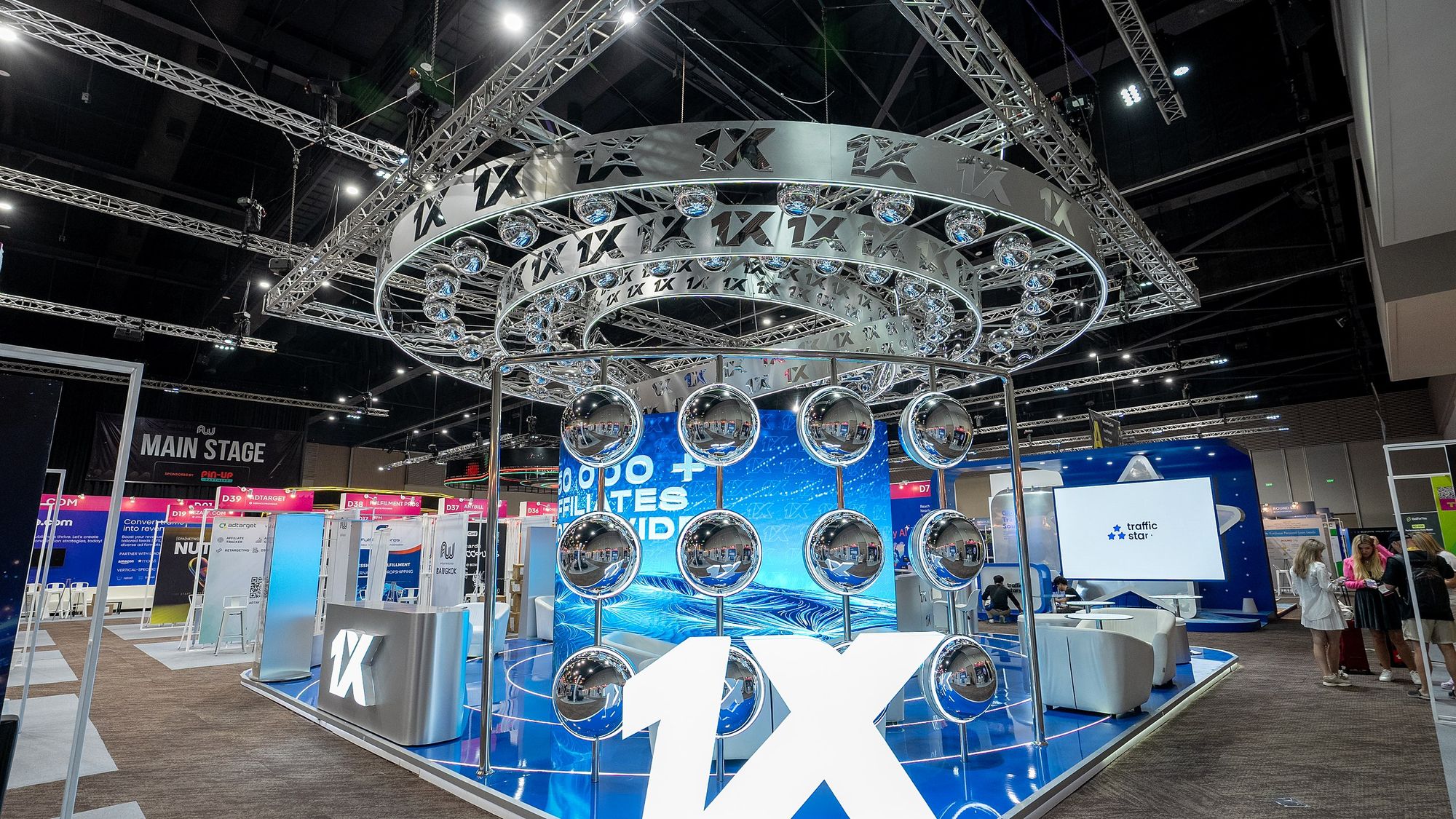
Energy exhibitors at large-format shows typically occupy island stands of 100 sqm or more. The island configuration allows meeting rooms to be positioned away from the active demonstration area, visitor circulation to happen on all four aisle faces, and the stand to read as a corporate presence from the hall entrance. Island stands at this scale require circulation planning — how visitors enter, where the meeting rooms are, where the brand statement sits — before any graphic or aesthetic decision is made.
Double-deck meeting capacity
When a large island footprint cannot accommodate the meeting room count required, a double-deck stand adds upper-floor meeting rooms without expanding the floor footprint. Energy exhibitors requiring four to six concurrent meeting rooms at 10–15 sqm per room need 40–90 sqm of enclosed meeting space — which at a 100 sqm footprint almost always means a second level. Double-deck structural approval for energy sector stands at Gastech Bangkok requires submission six to eight weeks before the show.
Equipment cutaway and model display
Technical products that cannot be displayed in full size — valves, separators, compressors, subsea components — are displayed as scale models or cross-sectional cutaways. These require custom plinths or display cases sized to the model's specific dimensions and internally lit to highlight engineering detail. Plinth height and lighting direction are determined by the model, not by a standard display specification.
Corporate hospitality zone
Energy sector stands often include a hospitality area — seating, catering provision, informal lighting — separate from the working meeting rooms. The hospitality zone functions as a relationship-maintenance space during the show, not a sales environment. Design distinction between the hospitality zone and the meeting zone is important: different furniture, different acoustic treatment, different privacy level.
AV and connectivity
Multiple presentation screens, video walls and AV systems in meeting rooms require a power and cabling plan designed from the stand drawing stage. Cables routed through the floor — under raised flooring or through floor ducts — eliminate the visible cable management issues that make technology-heavy stands look ad hoc despite their scale.
Energy Shows in Bangkok and the Region
Gas, LNG, hydrogen and energy technology — China 2027
Water and environmental technology, Bangkok
What We Build for Energy Exhibitors
Energy, oil and gas stands built by Pixelmate Exhibition Co., Ltd. at Bangkok shows include large island configurations with enclosed meeting rooms, double-deck structures for shows requiring upper-floor hospitality or additional meeting capacity, and custom model display systems for technical product cutaways. The Finland Pavilion at Sustainable Energy Week Bangkok — visible in the portfolio — demonstrates the country pavilion format that some energy sector delegations use at technical trade shows, with shared infrastructure and individual exhibitor zones within a national identity framework. Case studies from individual energy sector exhibitors are being compiled for the portfolio.
View full portfolioWhere Energy Sector Stands Break Down
Meeting room count underspecified
Four meeting rooms planned; six concurrent sales meetings booked during the show. Staff either wait or meetings happen outside the stand in the aisle or venue café. Meeting room count should be specified against the actual sales team size and expected concurrent meeting load — not rounded down to reduce the stand cost.
Double-deck approval timeline missed
Structural submission for double-deck stands at Gastech Bangkok must arrive six to eight weeks before show opening. Late submission risks rejection. A rejected structural submission for a double-deck stand means the upper level cannot open — which eliminates the meeting rooms the stand was specifically built to provide.
AV cabling planned after stand design is fixed
Screens and presentation systems installed in meeting rooms with visible cable runs undermine the finish level of a stand that is otherwise built to corporate specifications. Cable routing through raised floor systems or structural elements must be planned at the drawing stage, not resolved at build-up.
Frequently Asked Questions
- What is the typical stand size for energy exhibitors at Gastech Bangkok?
- Island configurations at 100–300 sqm are common for major energy company exhibitors. The specific size is driven by the sales team size, meeting room count and any equipment or model display requirements. Pixelmate Exhibition Co., Ltd. can assist with space planning from the brief stage if the floor space has not yet been confirmed.
- How is double-deck approval managed for energy sector stands at Bangkok venues?
- Pixelmate Exhibition Co., Ltd. manages the full structural approval process, including coordination with the licensed structural engineer, preparation of the submission package and correspondence with the organiser and venue. Submission timelines are built into the project plan from the start — the approval process cannot be compressed.
- Can energy sector stands include working equipment demonstrations?
- Static model and cutaway display is common. Live operating equipment at a scale typical of the energy sector is rarely displayed at trade shows — the equipment is too large and the power requirements too significant. Scale models, digital simulations and AR/VR demonstrations are the standard alternatives.
Pixelmate Exhibition Co., Ltd. has built for energy, oil and gas exhibitors at Bangkok shows since 2012. For Gastech or any Bangkok energy industry event, send a brief covering your floor space, meeting room count, any equipment display requirements and your structural submission deadline — we return a proposal and feasibility assessment within one working day.
Ready to Plan Your Stand?
Send us your show name, floor space and brief — we return a fixed quotation and initial 3D concept within one working day, at no charge and no obligation.